Step-by-Step Guide to Move from Traditional Job to Digital Marketing
A practical step-by-step guide for professionals in traditional jobs to transition into digital marketing. Learn how to leverage your existing experience for a successful career switch.
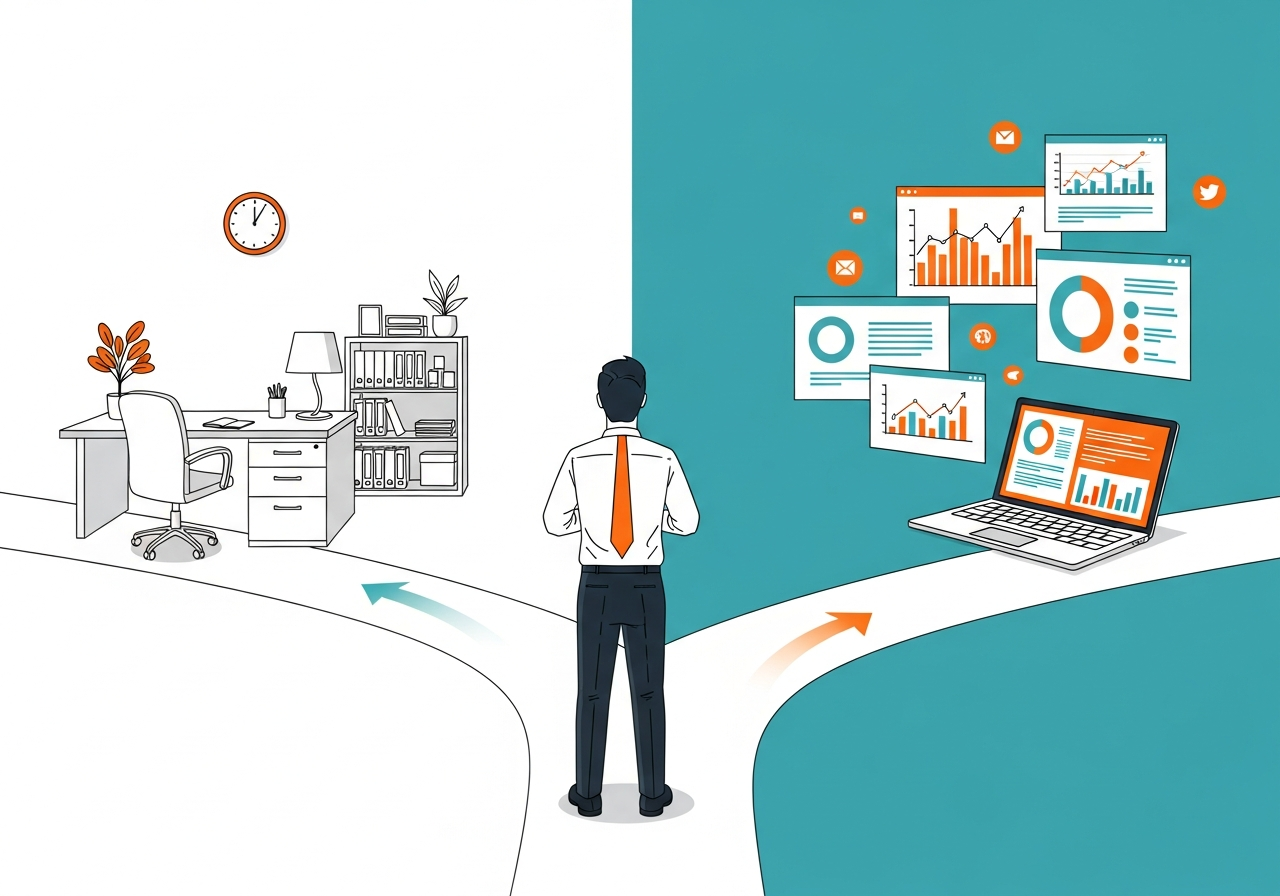
Working in a traditional industry – banking, manufacturing, retail, teaching, or any offline business – and dreaming of a digital career? You're not alone. Thousands of professionals are making this exact transition, and many of them find that their traditional experience becomes their biggest advantage.
This step-by-step guide will show you exactly how to move from your traditional job to digital marketing, regardless of your current industry or background.
Table of Contents
Why Your Traditional Background is an Advantage
Before we dive into the steps, understand this: your traditional job experience isn't a liability – it's an asset. Here's why:
Industry Knowledge
You understand how traditional businesses work from the inside. This knowledge is invaluable when marketing to similar businesses or industries. A digital marketer who worked in banking understands financial products better than someone who only learned from books.
Customer Understanding
You've dealt with real customers, understood their problems, and learned how to address their needs. This customer empathy is the foundation of great marketing.
Professional Maturity
You know how to work in professional environments, meet deadlines, manage stakeholders, and handle pressure. These soft skills take years to develop and are highly valued.
Real-World Business Sense
You understand that marketing exists to drive business results, not just vanity metrics. This business-first mindset is what separates effective digital marketers from those who chase likes and shares.
Step 1: Assess Your Transferable Skills
Start by identifying what you're already bringing to the table:
Communication Skills
If you've been writing emails, creating presentations, or interacting with clients, you have communication skills that directly apply to:
- Content marketing
- Email marketing
- Social media management
- Client handling (in agencies)
Analytical Skills
If your job involves working with data, reports, or numbers, you have analytical skills applicable to:
- Marketing analytics
- Performance marketing
- A/B testing
- ROI measurement
Creative Skills
If you've been involved in any creative work – presentations, proposals, events – these apply to:
- Campaign ideation
- Content creation
- Brand marketing
- Social media strategy
Exercise: Skill Mapping
Create a two-column list:
- Column 1: Skills you use in your current job
- Column 2: How each skill applies to digital marketing
This exercise will boost your confidence and help you position yourself during the job search.
Step 2: Learn Digital Marketing Fundamentals
Now it's time to add digital skills to your traditional foundation:
Month 1: Core Concepts
- Digital marketing ecosystem overview
- How online and offline marketing connect
- Key platforms and their purposes
- Marketing funnels and customer journeys
- Basic terminology and metrics
Month 2: Platform Fundamentals
- Social media marketing basics (Facebook, Instagram, LinkedIn)
- Introduction to search marketing (SEO basics)
- Google Analytics fundamentals
- Content marketing principles
Month 3: Paid Advertising
- Google Ads fundamentals
- Facebook/Meta Ads basics
- Campaign structure and bidding
- Budget management and optimization
Month 4: Advanced Skills
- Email marketing and automation
- Advanced analytics and reporting
- AI tools for marketing
- Conversion rate optimization
Learning Tips for Working Professionals
- Dedicate 1-2 hours daily for learning
- Use weekends for hands-on practice
- Apply concepts to your current industry mentally
- Join online communities for support
Step 3: Build Practical Experience
Theory without practice won't get you hired. Here's how to gain real experience:
Personal Projects
- Start a blog: Apply SEO and content marketing skills
- Grow social media: Build followers for a niche topic
- Run ads: Spend ₹500-1000 to learn ad platforms
- Create an email newsletter: Practice email marketing
Volunteer Work
- Help NGOs or local businesses with digital marketing
- Manage social media for a community organization
- Create marketing materials for religious or cultural groups
- Help a friend's small business go digital
Freelance Projects
- Start with small projects on freelancing platforms
- Offer discounted rates initially to build portfolio
- Focus on getting testimonials and case studies
- Gradually increase rates as you gain experience
Industry Application
Use your traditional industry knowledge:
- Create content about your industry's digital transformation
- Analyze how competitors in your industry use digital marketing
- Identify opportunities that others might miss
Step 4: Create Your Portfolio
A strong portfolio showcases your capabilities to potential employers:
Portfolio Must-Haves
- Case Studies: Detailed documentation of projects with results
- Screenshots: Ad campaigns, analytics reports, social media growth
- Certifications: Google Ads, Analytics, Meta Blueprint
- Content Samples: Blog posts, ad copies, social media content
- Testimonials: From volunteer work or freelance clients
Case Study Structure
For each project, document:
- Challenge: What problem were you solving?
- Strategy: What approach did you take?
- Execution: What specific actions did you take?
- Results: What measurable outcomes did you achieve?
- Learnings: What would you do differently?
Online Presence
Build your personal brand:
- Optimize LinkedIn profile for digital marketing
- Share insights and learnings regularly
- Engage with digital marketing communities
- Consider a personal website or blog
Step 5: Make the Transition
Now you're ready to make the move:
Transition Strategy Options
Option A: Direct Switch
- Apply for digital marketing roles directly
- Best when: You have strong portfolio and skills
- Risk level: Medium
Option B: Internal Transfer
- Move to digital marketing within your current company
- Best when: Your company has a digital team
- Risk level: Low
Option C: Gradual Transition
- Start freelancing while employed, then switch
- Best when: You need financial security
- Risk level: Very low
Option D: Hybrid Role
- Find roles that combine your traditional expertise with digital marketing
- Best when: Your industry is going digital
- Risk level: Low
Resume Transformation
Reframe your experience for digital marketing:
- Lead with digital marketing skills and projects
- Highlight transferable skills from traditional roles
- Include certifications prominently
- Show how your industry knowledge adds value
Interview Preparation
Prepare to answer:
- "Why are you changing careers?" – Focus on passion and growth
- "What makes you qualified?" – Highlight transferable skills + new learning
- "Why should we hire someone from a different background?" – Industry knowledge advantage
Transition Examples by Industry
From Banking/Finance
Your advantages:
- Analytical skills for data-driven marketing
- Understanding of financial products for FinTech marketing
- Client relationship skills for account management
Best digital marketing paths: Performance marketing, marketing analytics, B2B marketing
From Teaching/Education
Your advantages:
- Excellent communication and explanation skills
- Content creation experience
- Understanding of learning psychology
Best digital marketing paths: Content marketing, EdTech marketing, social media
From Sales
Your advantages:
- Understanding of customer psychology
- Target-oriented mindset
- Persuasion and negotiation skills
Best digital marketing paths: Performance marketing, conversion optimization, lead generation
From HR
Your advantages:
- People skills and empathy
- Communication expertise
- Understanding of employer branding
Best digital marketing paths: Employer branding, HR tech marketing, social media
Frequently Asked Questions
Q1: Will employers value my traditional job experience?
Yes, especially if you position it correctly. Industry knowledge is valuable, and soft skills developed in traditional jobs are hard to teach. Many companies specifically look for digital marketers with diverse backgrounds.
Q2: Should I mention my traditional job in interviews?
Absolutely. Don't hide your background – leverage it. Explain how your experience gives you unique insights. Frame it as an advantage, not a limitation.
Q3: Is it too late to switch if I'm over 35?
No! Your maturity and experience are assets. Many successful digital marketers started their careers after 35. Focus on the value you bring rather than your age.
Q4: Can I negotiate a good salary despite being new to digital marketing?
Yes, but be realistic. Your first digital marketing role might pay less than your current position. However, growth in digital marketing is faster. Focus on getting in, proving yourself, and salaries will follow.
Q5: What if my company doesn't have digital marketing roles?
Propose creating one! Many traditional companies need digital help. Alternatively, help with digital initiatives informally to build experience before seeking external opportunities.
Conclusion
The transition from a traditional job to digital marketing is not just possible – it's a path many successful professionals have taken. Your traditional experience isn't something to overcome; it's something to leverage.
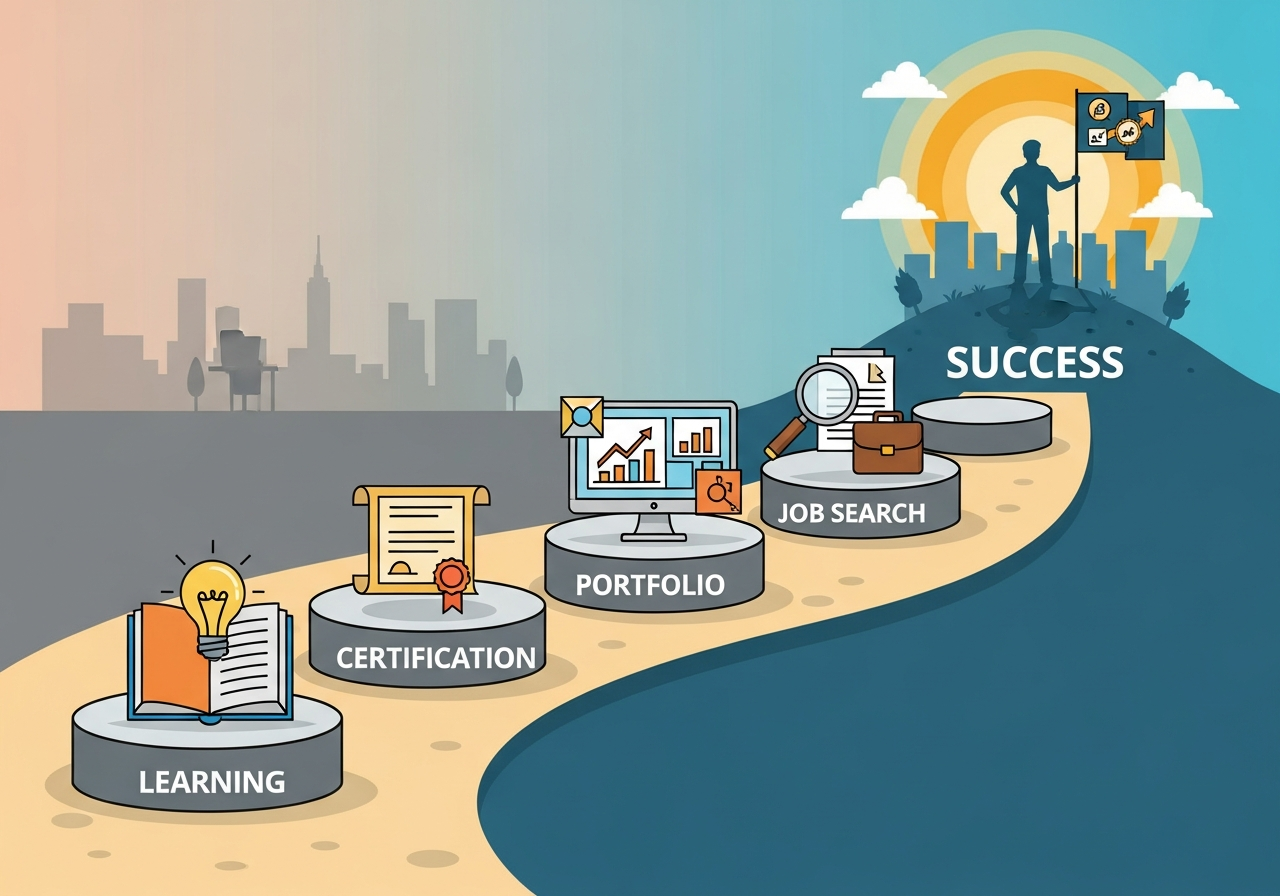
Follow these five steps systematically: assess your transferable skills, learn digital fundamentals, build practical experience, create a compelling portfolio, and make a strategic transition. Each step builds on the previous one, creating a solid foundation for your new career.
The digital marketing world needs people with real-world business experience, customer understanding, and professional maturity. That's exactly what you bring from your traditional career.
Start today. Your background is your advantage.
Upgrade Your Career with LearnYogi
LearnYogi's program is designed for professionals from traditional backgrounds. We'll help you leverage your existing experience while building new digital skills.
- ✓ 69+ Digital Marketing Modules
- ✓ AI Tools and Automation Training
- ✓ Live Practical Projects
- ✓ Industry Expert Trainers
- ✓ Recognized Certification
- ✓ Placement Assistance